Start with the property and the complete scope
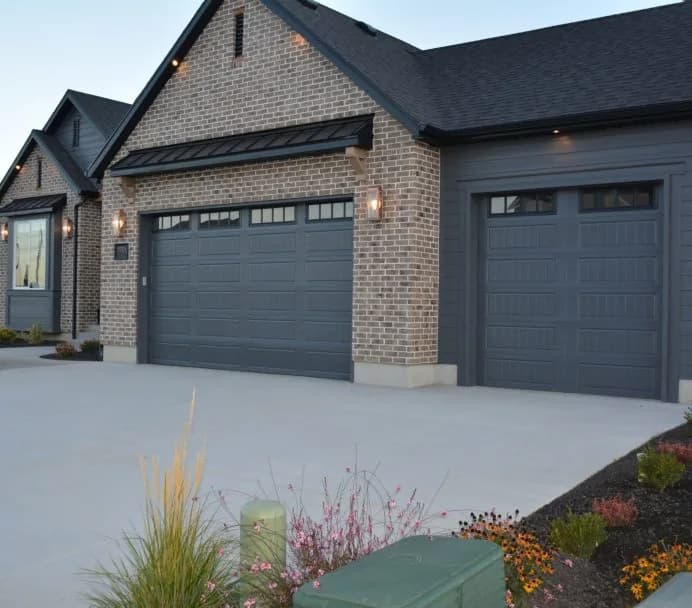
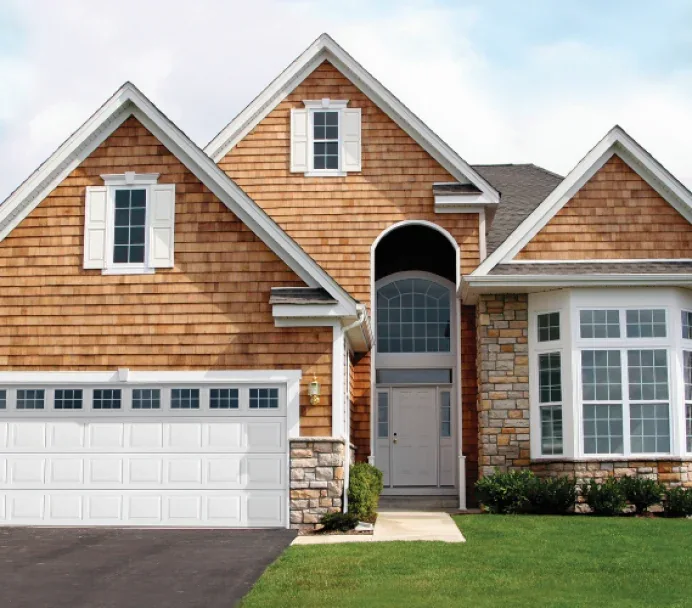
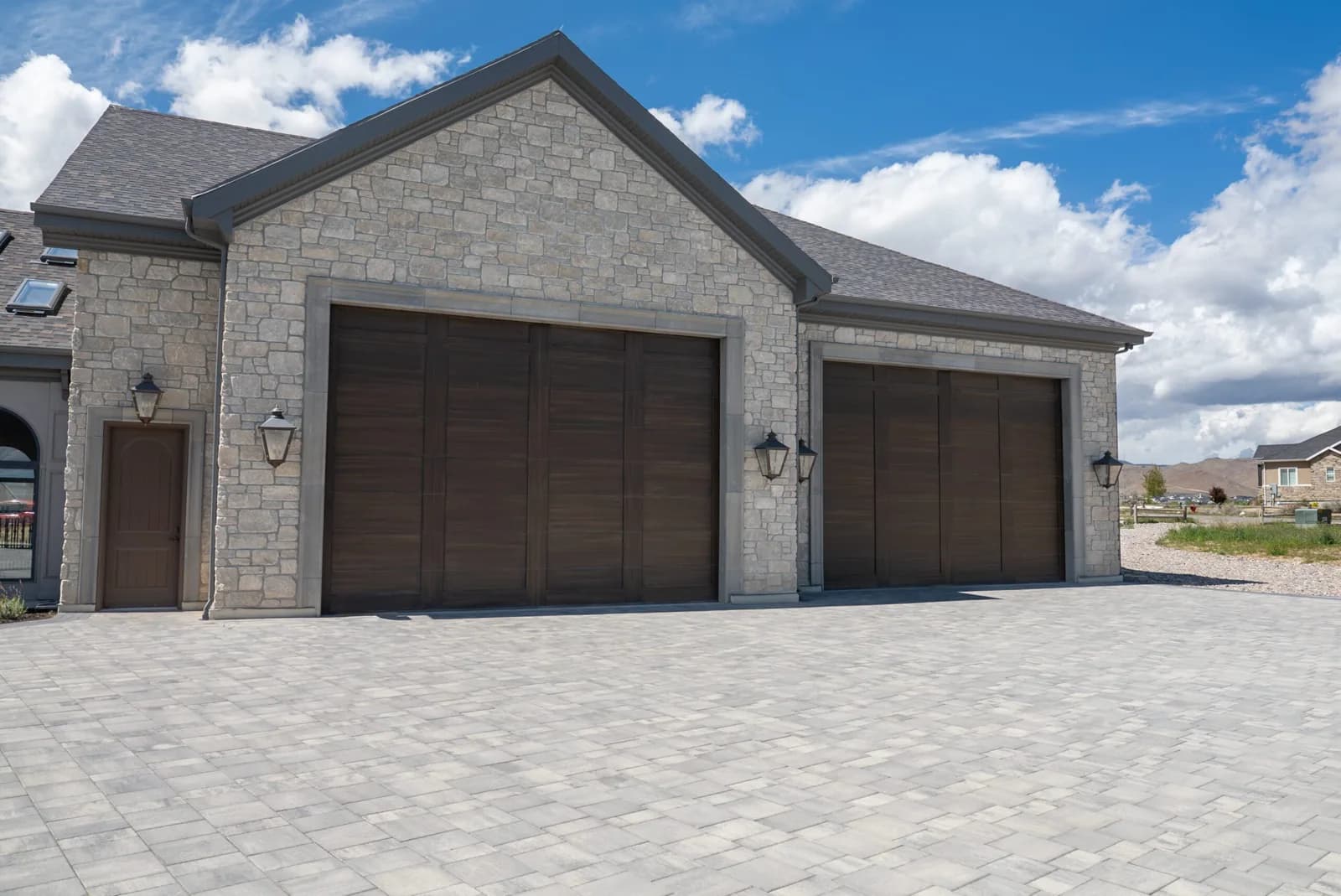
Arizona garage-door selection centers on solar exposure, high temperatures, insulated assemblies, dark-finish behavior, modern architecture, RV and boat storage, dust, sloped or oversized openings, cooling goals, and long-component delivery.
This storefront features Vidor doors. Vidor does not currently offer wind-load or hurricane-rated doors. Where a rated assembly is required, the products in this catalog are not a suitable substitute.
For a project centered on Desert heat, intense sun, modern homes, RV storage, and large custom openings, the address is the starting point rather than a promise that one product or one installation detail fits the entire market. Building type, exposure, opening condition, access, schedule, receiving, and the work that happens before and after delivery can change the useful answer. Keep those facts beside the dimensions so the product, freight, and field plan are reviewed together.
Build an opening-by-opening field record
A useful request includes six opening dimensions, jamb and spring-pad conditions, sideroom, headroom, backroom, floor level, ceiling and roof-pitch conflicts, interior and exterior photos, door and bay IDs, vehicle clearances, project address, power, and delivery access. Repeated-looking openings still need separate identifiers because fractions, out-of-square conditions, obstructions, and finish details can differ. The same identifier should follow the piece from measurement through the quote, order acknowledgment, package label, receiving area, and final placement.
Measurements should state exactly what was measured: rough opening, frame, daylight, finished surface, curb, furniture, or another defined plane. Record dimensions in a consistent order, retain the fractions, and photograph the tape or template when practical. Final manufacturing dimensions should be checked against the selected system’s instructions; a field note should never be silently converted into a different dimensional convention.